
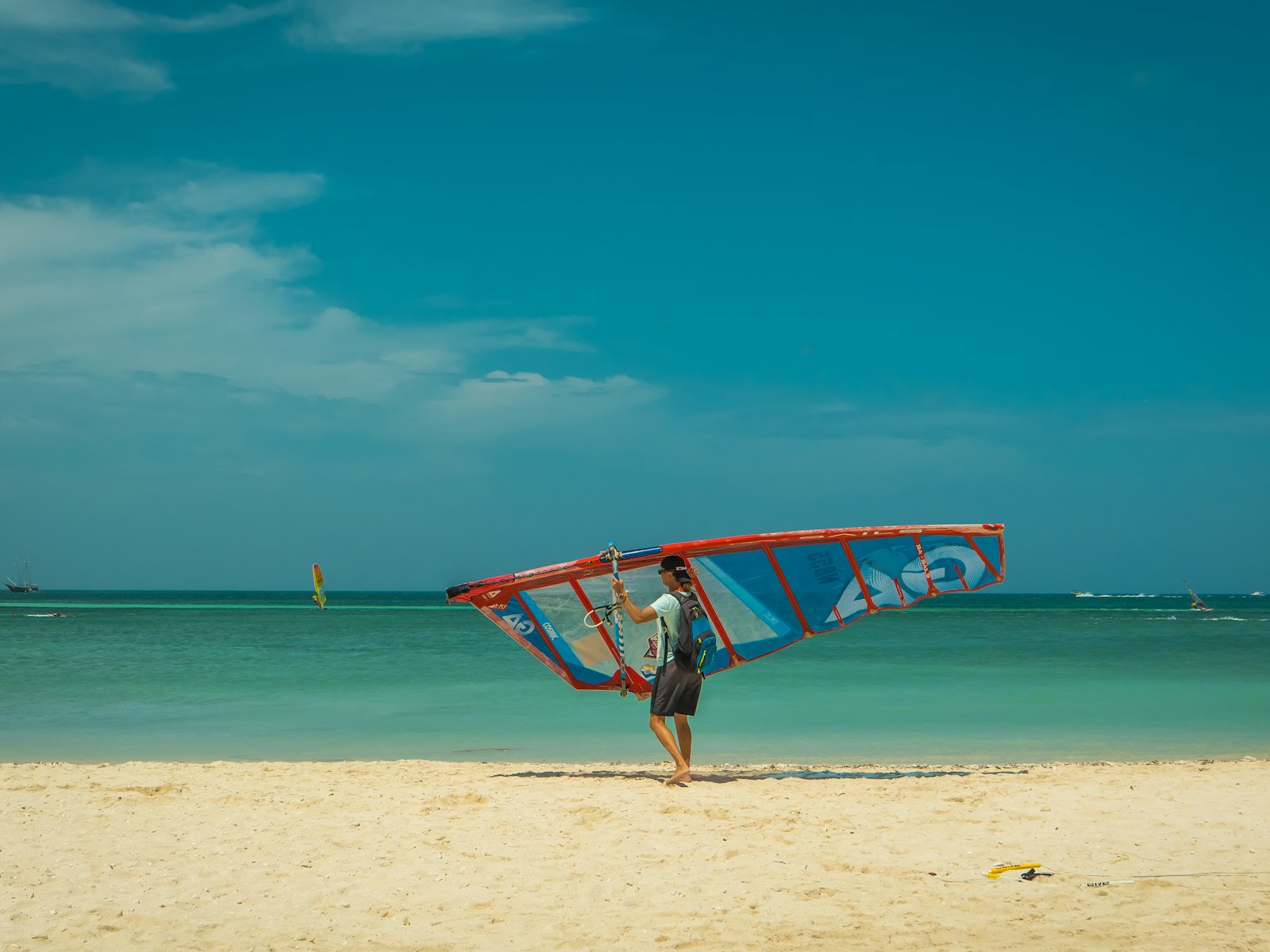
Watersports in Aruba go beyond snorkeling and sailing — the island’s steady trade winds and calm leeward beaches make it a strong base for jet skiing, parasailing, kayaking, and windsurfing/kitesurfing. Here’s how to pick between them
| Activity | What to Expect | Best For |
|---|---|---|
| Jet skiing | Guided tours (not free rental), typically 1–1.5 hrs | Speed / adrenaline |
| Parasailing | Single or tandem, 8–12 min in the air | Coastline views |
| Kayaking | Spanish Lagoon & Mangel Halto — calm, mangrove-lined water | Beginners |
| Windsurfing / kitesurfing | Genuine international-caliber destination, strongest winds May–August | Wind sports enthusiasts |
Which watersport fits you
Jet skiing is the easiest entry point — short, guided, and requires zero prior experience, good for adrenaline in under two hours. Kayaking at Spanish Lagoon is the calmest option, ideal for beginners or anyone wanting scenery over speed. Windsurfing and kitesurfing are the outliers: Aruba is genuinely one of the best destinations in the world for both, but they take real time to learn, so a single session is more of an intro lesson than a full experience.
Jet skiing: what to expect
Tours are guided in a group, typically following the coastline for 60-90 minutes. No license or experience is required, and most operators pair riders in twos on a single jet ski unless you book a solo unit.
Windsurfing and kitesurfing: why Aruba specifically
The trade winds here are steady and predictable nearly year-round, which is rare — most windsurfing destinations depend on seasonal conditions. Fisherman’s Huts near Palm Beach is the main launch spot and has schools offering both rentals for experienced riders and lessons for beginners. May through August tends to bring the strongest, most consistent wind.
Who should skip which activity
Anyone prone to seasickness should lean toward kayaking over jet skiing, since the calmer lagoon water is far more forgiving. Windsurfing and kitesurfing both demand decent upper-body stamina and balance — if that’s a concern, a lesson still works, but expect more time in the water than on the board during a first session.
What to bring
Reef-safe sunscreen and a rash guard for anything jet ski or windsurfing related — sun exposure is constant and there’s no shade on the water. Water shoes help at Spanish Lagoon, where the entry point can be rocky or muddy depending on tide.
Aruba Adventure Guide compares real operator pricing and reviews so you don’t have to. We may earn a commission if you book through links on this page, at no extra cost to you.
Best time of year
Watersports here work nearly year-round thanks to the steady trade winds, but timing shifts by activity: windsurfers and kitesurfers get the strongest wind from May through August, while jet skiing and kayaking are pleasant any month since they don’t depend on wind strength. December through April brings slightly calmer seas if smooth water matters more to you than wind.
Booking tips specific to Aruba watersports
Most jet ski and kayak operators run out of Palm Beach or Eagle Beach, both walkable from the main hotel strip, so you don’t need transport included in the price — check before paying extra for pickup you don’t need. Windsurf and kitesurf schools at Fisherman’s Huts rent by the hour or the day, and multi-day packages usually work out cheaper per session if you’re serious about learning rather than trying it once. Group sizes on jet ski tours tend to run 4-8 riders — ask ahead if you’d rather book a smaller or private group.
As an affiliate, we may earn a commission on bookings made through the links above, at no extra cost to you.